From Sustainability To Performance: How has the Perception of EVs Changed?

In an era where innovation is accelerating faster than ever, electric vehicles (EVs) have undergone a remarkable transformation. Once viewed merely as an eco-friendly alternative, EVs have evolved into high-performance machines that deliver advanced technology, superior driving experiences, and sustainable mobility.
EVs as an Eco-Friendly Alternative
When EVs first entered the market, they were primarily recognized as environmentally friendly vehicles. They quickly attracted the attention of environmentally conscious consumers and policymakers because of their potential to reduce carbon emissions and minimize air pollution.
Despite this promise, EV adoption in India remained slow for several years, accounting for less than 1% of total vehicle sales. Several factors contributed to the low adoption rate, including inadequate charging infrastructure, range anxiety, poor battery quality, lower resale value, and unsatisfactory user experiences.
Today, however, the EV landscape has changed significantly. Manufacturers are now designing electric vehicles not only for sustainability but also for performance, comfort, and advanced technology features. This transformation has largely been driven by evolving consumer expectations and rapid technological advancements.
The Evolution of EVs
The evolution of electric vehicles can be divided into three major stages:
1. The Concept Stage (2005–2015)
According to the Society of Manufacturers of Electric Vehicles (SMEV), EV sales in India during the financial year 2013–2014 were approximately 16,000 units, including both two-wheelers and four-wheelers, reflecting minimal market penetration.

During this period, EV technology was still in its early stages. The market had limited vehicle models and was dominated by only a few manufacturers. Most EVs were low-speed vehicles with unreliable battery performance and limited driving range. Public charging infrastructure was also scarce.
These challenges significantly slowed EV adoption. However, increasing pollution levels and rising fuel prices gradually strengthened the concept and acceptance of electric mobility.
2. The Adoption Stage (2015–2022)
This phase marked significant progress for the EV industry in India. Government agencies, startups, and private companies began investing heavily in research and development as well as charging infrastructure.
Charging stations started appearing in cities, commercial complexes, and along highways, making long-distance EV travel more practical.
Technological advancements during this period transformed EV performance. Battery Management Systems (BMS) were developed to monitor battery health and prevent issues such as overheating and overcharging. Fast-charging technology also improved significantly, allowing some EVs to charge up to 80% within 30 minutes.
Another major innovation was regenerative braking technology, which captures energy typically lost during braking and uses it to recharge the battery. This not only improved energy efficiency but also enhanced vehicle control and stability.
Safety concerns, especially related to battery fires, were addressed through flame-retardant materials, improved insulation systems, and AI-based cooling technologies that help prevent thermal runaway.
Artificial Intelligence (AI) also became an important part of EV technology. AI and Machine Learning algorithms were integrated into Vehicle Control Units (VCUs) to optimize vehicle performance and enable advanced features such as:
- Smart throttle mapping
- Fast charging optimization
- Predictive maintenance
- Over-the-air (OTA) software updates
As charging infrastructure improved and technologically advanced products entered the market, consumer confidence in EVs increased substantially.

3. The Expansion Stage (2022–Present)
The current stage of EV evolution is characterized by rapid expansion and technological maturity.
Advanced Battery Technology
One of the biggest breakthroughs has been the development of high-density lithium-ion batteries, which provide:
- Longer driving range
- Faster charging
- Improved efficiency
- Better durability
These advancements have significantly reduced range anxiety and made EVs more practical for daily commuting and long-distance travel.
Solid-State Batteries

Solid-state batteries, currently under development, are expected to revolutionize the EV industry. Compared to conventional lithium-ion batteries, they offer:
- Up to three times higher energy density
- Faster charging speeds
- Improved thermal stability
- Enhanced safety
5G Technology in EVs
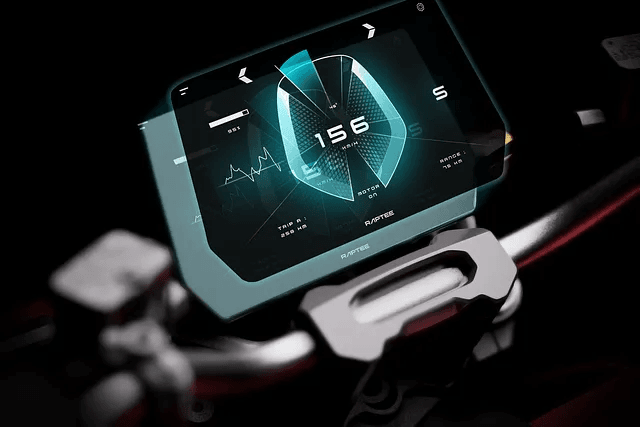
The integration of 5G technology is opening new possibilities for connected electric vehicles. With ultra-fast and reliable communication, 5G enables:
- Enhanced vehicle connectivity
- Smarter traffic management
- Improved safety systems
- Remote diagnostics and monitoring
- Smarter charging experiences
Intelligent Electric Drivetrains
Modern EVs now feature advanced electric drivetrains powered by intelligent software systems. These systems can adapt to various road and driving conditions while providing:
- Faster acceleration
- Enhanced driving range
- Better energy efficiency
- Personalized driving experiences

Conclusion
Electric vehicles have evolved far beyond their original identity as eco-friendly transportation solutions. Today’s EVs combine sustainability with cutting-edge technology, high performance, enhanced safety, and superior user experiences.
As innovation continues to reshape the automotive industry, consumers are no longer choosing EVs solely for environmental reasons. Performance, convenience, smart connectivity, and driving experience now play equally important roles.
Whether motivated by environmental responsibility or the desire for advanced driving technology, modern consumers can now find electric vehicles that deliver both sustainability and excitement.