4 min read
What is Phygital Experience and Why is it Needed Before Buying an EV Bike?
Especially when you are buying an EV bike, phygital experience will allow you to truly experience the bike, physically and digitally, before you hit the road.
7 min read
Electric Vehicle Initiative (EVI) coordinated by the International Energy Agency (IEA), has had active government participation from countries such as India, Germany, China & UK, to name a few. The world’s regulations have seen healthy growth ever since, with governments making efforts to minimize emissions.
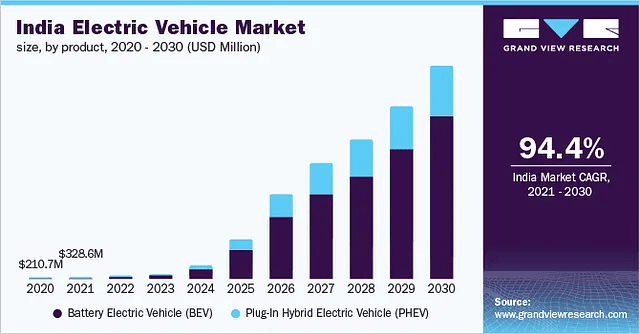
Reminiscing about 2015, India, the fifth-largest automobile industry worldwide, actively collaborated with the IEA to promote electric transportation to reduce its impact on air pollution. In the initial stages, the Indian government altered its regulations to provide purchase incentives for electric vehicles. Despite these efforts, numerous Indian companies have struggled to boost demand for electric vehicles due to their low performance rate compared to fuel motorcycles. However, in 2022, the demand for EVs has had a steep inclination due to social encouragement for sustainable living. According to reports by the CAGR, electric vehicles might be a boon for the nation, with a growth rate of 94.4% starting from now until the year 2030.
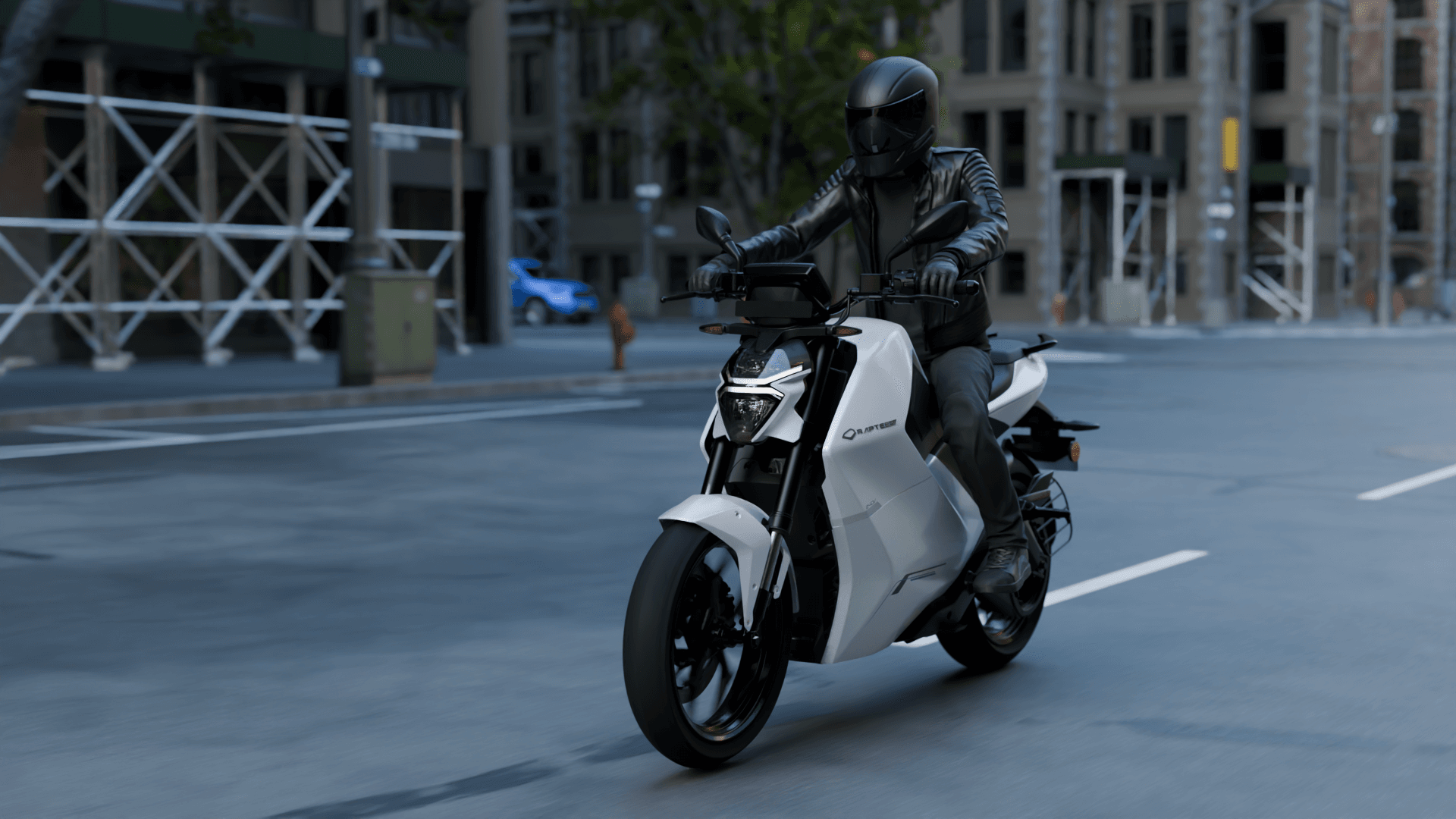
We, at Raptee.HV, are one such passionate bunch that has taken the initiative to identify the needs of the masses residing in the metropolises. It was to develop a technically advanced electric bike that is smart yet sustainable. Our teams have worked tirelessly to bring you a rapid-charging automotive optimal for city circumstances.
“I am on a mission to push innovation and accelerate the transition to safe, smart and sustainable mobility in the largest two-wheeler markets in the world. My vision is to build an electric vehicle company that is a pioneer in the technologies required for the ubiquitous adoption of electric vehicles in developing nations.” — Dinesh Arjun (CEO, Raptee.HV)

When we speak about E-mobility in countries such as Norway, Iceland and Sweden, it is evident that electric cars predominate over scooters. But in Asian countries like Thailand, EV supremacy has been spearheaded by electric motorcycles. This is because Asia has always accounted for a significant chunk of global sales contributing to fuel motorcycles. Hence, the demand for a 2-wheeler has been constant but with an evident big switch from fuel to EVs.
India has also witnessed a demand towards electric motorcycles due to increasing awareness. However, we are still far from converting the country’s population to go entirely electric. The drawback to penetrating into the masses has been the low performance rates over a fuel-based vehicle. At Raptee.HV, our objective has been to change the EV market dynamic with an efficient yet eco-friendly motorcycle.
“Simply put, there is no electric two-wheeler in the market to compete with petrol-powered motorcycles in terms of Performance vs Price quotient. Our value proposition has always been to provide an affordable, always connected motorcycle designed and built ground up that performs on par with its gas-powered counterpart made for the Indian demographic.” — Dinesh Arjun (CEO, Raptee.HV)
Indian government’s initiative in 2014 towards the ‘Make in India’ flagship was to encourage entrepreneurs to develop, manufacture and assemble products domestically. It was not just to build a robust manufacturing infrastructure & facilitate investment but also to subsidize international sourcing. Though the scheme did not take off in a big way after the pandemic, it did result in a few companies manufacturing components locally in recent years.
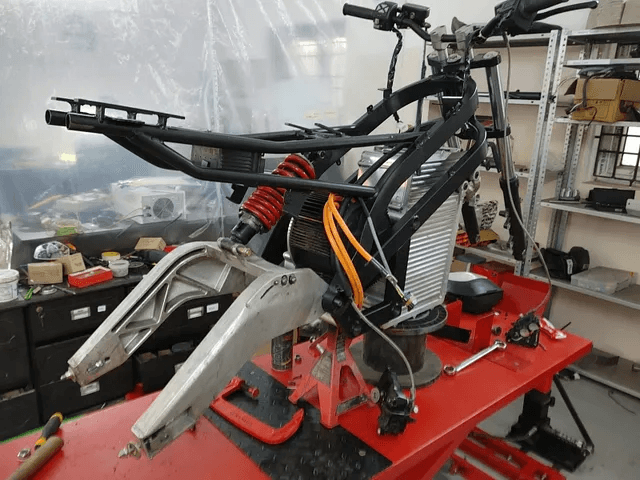
“Our approach was to move away from the tubular frame that is ubiquitous among motorcycles and design from scratch a motorcycle designed with the electric drivetrain in mind. With more than 90% localization of parts, the vehicle is indigenously designed and manufactured in India.” — Dinesh Arjun (CEO, Raptee.HV)
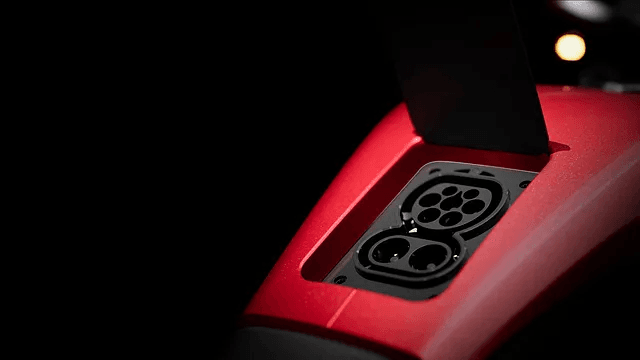
In the past, India’s charging infrastructure grew relatively slowly, with public charging stations (PCS) available in cities only in a limited capacity. The number of EVs that hit Indian roads in 2022 has scaled up to 13 lakhs. As a result, the government aims to sanction as many charging stations as those of the fuel-based bunks. The total number of public charge stations in the country today has been reported to be 2877, indicating that the government has been making efforts to help the infrastructure grow faster than in the past. The EVs of today also come with charging equipment that aids the EV owners in using them in the comfort of their homes.
“It’s been 15 years since EVs went mainstream. EV sales constitute less than 1% of total vehicle sales in India (as of 2020). Why? Performance, Reliability & Longevity, Lack of Charging Infrastructure and Sustainability with a compromise. Average top speed of current EVs is just 60 Kmph, which limits the rider’s leisure to drive at higher speeds when needed. Transitioning to an EV considered expensive, and a compromise in performance and life. Recent success of Ola and Ather show that people are ready to spend a premium and switch to EVs if provided with a good product.” — Dinesh Arjun (CEO, Raptee.HV)
With the rapid growth and adaptation of technological advancements in the twenty-first century, it is no surprise that our automobiles today have excellent user interfaces and experiences. The future awaits unveiling the masses of intelligent EVs taking over the globe in an efficient & eco-friendly manner.
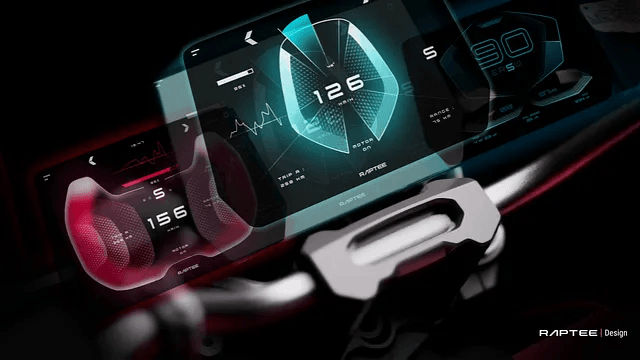
Our motorcycle provides an intelligent user interaction between the rider and the motorcycle. The UI/UX has been formulated to optimize smart functions & seamless theme switching to provide a whole new experience based on user preferences. It holds the capacity to monitor and adapt the data enabling features like throttle mapping and rapid charging. The Raptee.HV motorcycle also comes with an AI speech feature that enables mapping & navigating, aiming to provide a hassle-free ride amidst the city shenanigans.
The safety measures developed through technological advancement have been one of the new revolutionaries uncovered for the automotive industry. Little did we know there would come a time when the motorcycle could communicate smartly to the rider with intelligent tech updates. Today’s over-the-air software upgrades keep the rider connected by sharing the efficiency level of the bike.
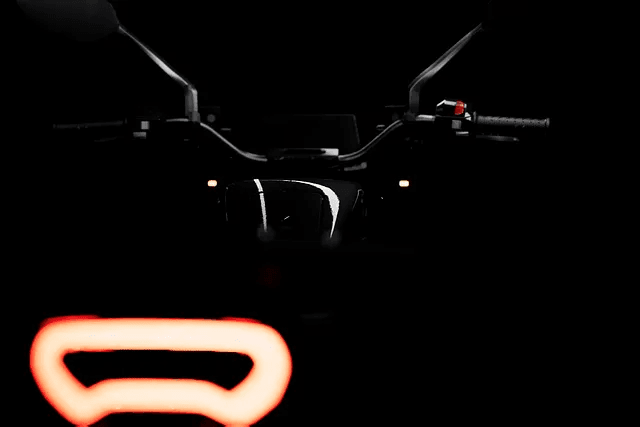
At Raptee.HV, our team holds a futuristic vision for our bike, making it the safest mode of mobility, ideal for the city drive. The evolution of the bike has taken a new turn with cutting-edge technology, such as free-hand navigation, Bluetooth connectivity, and reverse mode. Furthermore, our blind spot detector protects the rider from collisions with the intelligent sensors installed at the rear of our vehicle.
In recent years, the efforts made to raise environmental awareness have gradually been growing among the masses. The people of today have taken a conscious step towards sustainability. With how things have been unfolding with climate change, it is high time that the world commits to shifting to low-emitting EVs.
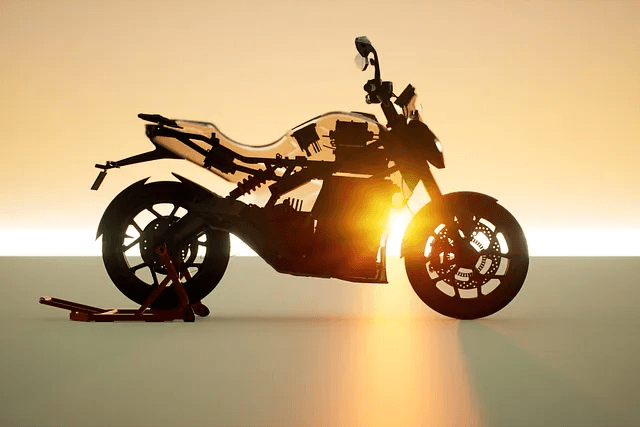
We believe electric vehicles are the future, and we are here for it! It has been our consistent mission to help reduce CO2 emissions. It’s no secret that fuel-powered automobiles take the blame for the increase in air pollution over time. Multiple theories revolve around the low-emission promises made by EV manufacturers since EVs still require electricity to charge. However, even amidst these speculations, we assure you that the emissions entailed through charging is significantly less, contrary to the high emissions caused by fuel-powered vehicles.
According to data, when asked, ‘What was the most troublesome thing when it comes to maintaining a bike?’ Most votes were around two common roots: vehicle breakdown and part replacement. These issues make the vehicle less efficient over time & leading to multiple trips to the service centers. Current EVs are hard-pressed to get a battery change every three years on average, owing to poor battery life & quality. Fuel-based vehicles also face an issue with oil leaks, making it a pretty stressful experience to begin with.
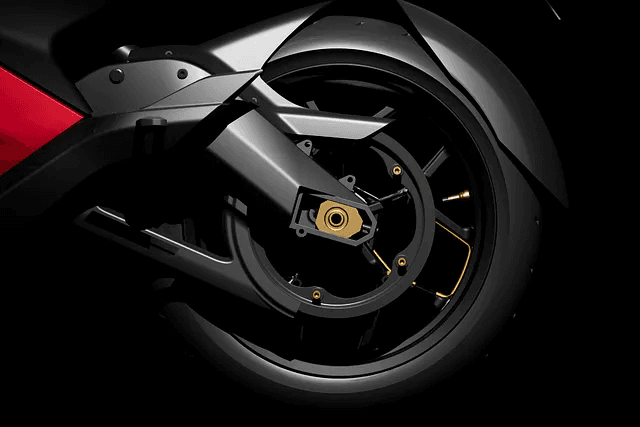
The reason why we have worked on a low-maintenance bike is that we relate to & comprehend how frustrating it could get. Our teams have put their best foot forward to engineer the most efficient yet hassle-free EV ever. Our hubless rear wheels are designed to optimize structural strength with the rear pulley mounted on spokes, improving the overall efficiency of the motorcycle. They are deployed with extremely robust belts that require less maintenance