Top 10 Common Myths Around Electric Vehicles Busted- Raptee Motorcycles
Myth #1: Electric vehicles give range anxiety & come with a questionably low range Myth #2. Electric vehicles are very expensive. Myth #3. EVs catch fire, one of the most common myths in India. Myth #4: E-motorcycles are slow and take longer to reach a destination than petrol vehicles. Myth #5. Lithium Batteries don’t last long and are super expensive to replace. Myth #6. Since batteries are unreliable in the long run, they end up in landfills. Myth #7. The belt drive used in electric motorcycles is susceptible to damage faster than traditional chain drive systems. Myth #8. E-mobility is not any greener than fuel-powered vehicles. Myth #9. Nothing revolves around sustainability when we talk of electric vehicle manufacturing and lifecycle. Myth 10. There’s inadequacy in the charging infrastructure, and EVs run out of charging quickly. Myth vs. Reality: They’ve used an Electric vehicle on the moon!
We are here to address a few of the most common myths about Electric vehicles. Straight from range anxiety to expensive EV batteries and speculations about the first EV used on the moon, we‘ve got you covered.
Electric Vehicles for a Sustainable Future
There is no doubt that humans, over the years, have been drowning deeper in cynicism and disdainful ideologies, misinterpreting the sins of ignorance to be rather blissful. But how do we know when we smudge the crease? Well, even if we may have been oblivious in the past, we aren’t as much now. In hindsight, one of the silliest of them was the conspiracy that revolved around climate change being a hoax, stating that global warming was anything but real.
Does that ring any bells? Alongside witnessing the seeping consequence of neglecting climate change, repeated headlines made us acknowledge the groundbreaking reality of the environmental crisis, and there is no getting around it. However, in times like this, we’ve learned to harness technology for long-term sustainable development. We believe one such blessing in disguise is the inception of electric vehicles. Even if we may not have come a long way, we believe it to be a stepping stone and comes to making atonement for our previous actions. The increased awareness of sustainable living initially needs to stem from our domestic decisions that could eventually have a global impact.
As a nation, we could admit that it is still pretty alarming to see India’s 35 cities rank on the list of ‘the top 50 most polluting cities in the world’, underscoring the need for cleaner ways of livelihood with sustainable transportation options. It is no secret that every individual has taken guilty pleasure, something privy to their access to personal mobility. But this has also led to increased vehicle pollution, which has sped up climate change & has resulted in global warming.

Slowly but surely, sustainability has been advancing in recent years. While acknowledging the urgency for eco-friendly and sustainable automobiles, the government has been steadily working to create a solution promoting any favorable initiatives for EVs. The year 2022 has been credited with helping electric vehicle sales across the globe soar. It goes without saying that technology has left no stone unturned & the automotive sector has had its fair share of contributions to this growth. According to research, the global EV market is projected to increase from 8,151 thousand units in 2022 to no less than a minimum of 39,208 thousand units in 2030, at a CAGR of 21.7%.
Debunking The Most Common Myths Around EVs
While there is no question that EVs are an excellent way to reduce fossil fuel use, many fallacies about them instill fear among the masses. These misconceptions have led to the slow penetration of EVs as a dependable form of mobility. We could argue that it may have made sense for people to be apprehensive about how an EV would fit into their lives in the past, but today we are left with no reason to belittle them. We are here to reassure you by shooing all the misconceptions you’ve ever heard. So, let us dispel some of the most prevalently heard myths about Electric vehicles.
Myth 1: “Electric vehicles give range anxiety & come with a questionably low range”
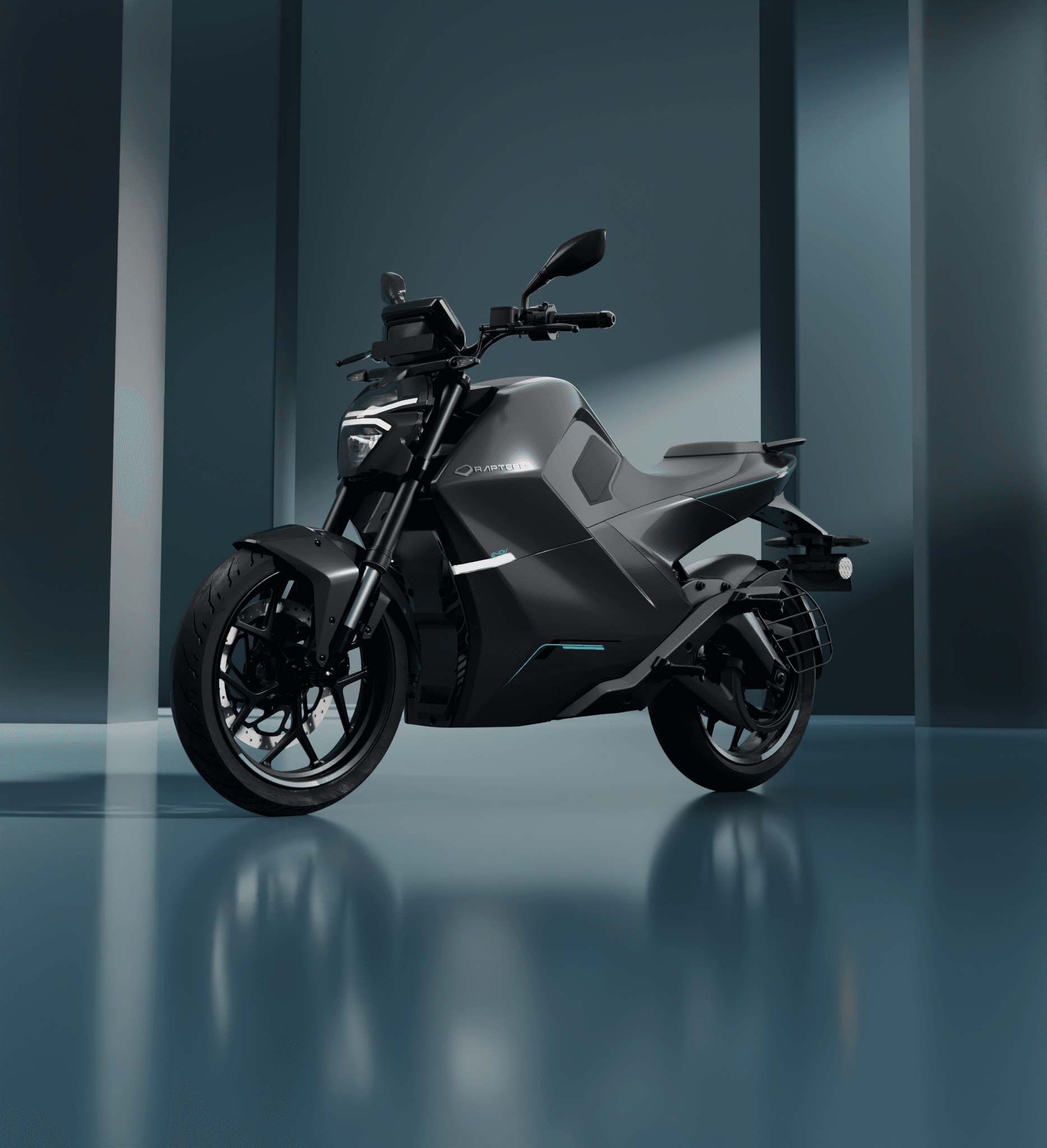
Range anxiety is real, and there is no denying it. However, we say there is absolutely no reason for anyone to believe that in today's time. The assertion might have been worth considering if we dated it back to 2010. However, the manufacturing and development of batteries have evolved significantly in recent years. When it comes to electric cars of today, there is a minimum range of 300km in a single 100% charge. But when we talk about optimal city driving in India, we understand that the masses rely on the convenience of 2W’s. This is why Raptee motorcycles are perfect for the optimal city drive with a 150km real-world charge.
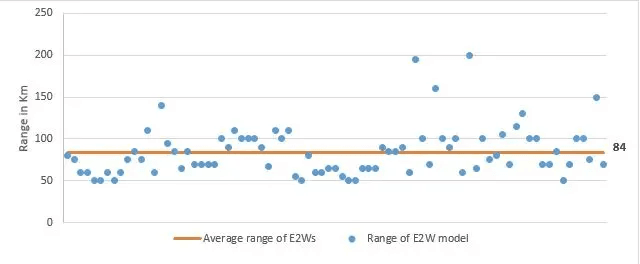
Often the range can also depend on various factors such as the kind of usage of the vehicle and the temperature. For instance, when it comes to petrol/diesel cars or bikes, it is known more fuel is consumed when the vehicle is managed inefficiently or slowed down in traffic. But with electric mobility, things are different. When an EV has applied breaks amidst traffic, kinetic energy is stored and returned to the battery, thereby increasing the overall range.
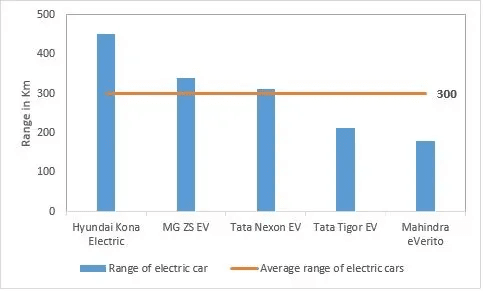
Not convinced yet? Well, we have just another brilliant example to prove this myth further wrong. In the year 2022, a four-person team of Welsh football supporters took a 5000-mile journey across Europe to the Middle East in an MG electric vehicle as they made their way to Qatar for the highlight of the global footballing calendar. Yes, you heard that right! This news made headlines and piqued the attention of soccer and automobile enthusiasts alike. Further proving that plenty of EVs come with a range that is far more sufficient, exceeding most drivers’ needs.

Myth 2. “Electric vehicles are very expensive.”
In retrospect, every invented innovation has always had an equally hefty price tag. Let’s go back to the time when phones were a brand-new invention. When mobile manufacturers first began offering their inventions & service in India. In 1994, if you remember, they came in quite pricy. However, when the demand proliferated, they seemed to become much more accessible. We believe that a similar scenario drives the EV industry, where the price of EVs would drop as demand increases. Governments in various parts of the world, like India, have taken it upon themselves to give out additional buying incentives to encourage consumers to switch from petrol/diesel to electric.
Studies also prove that electric vehicles are unquestionably less expensive to operate than gasoline or diesel-powered vehicles. This is because using petrol or diesel to refuel a car or scooter is an ongoing expense, but the batteries in an electric vehicle can last for many years. We all know that additional tax benefits and lower energy costs are associated with electric mobility, making it all the more economical in the long run. The myth can be further proven wrong by pointing out that electric cars/motorcycles require much less maintenance, and with near zero maintenance comes a dramatic cost-cutting. Raptee’s premium motorcycle is one such electric 2W that is hassle-free and low on maintenance, making it not just optimal for city riding but also an affordable premium vehicle. At this point, there’s no doubt that consumers who have successfully switched to becoming EV owners have never looked back to ICE vehicles, which often got them saying ‘good riddance’ to petrol vehicles. It doesn’t just spare one from the bothering day-to-day fuel-filling visits but also helps them skip servicing, as a whole, saving everyone’s time and money.
Myth 3. “EVs catch fire, one of the most common myths in India.”
If we were to speak in comparison of ICE vehicles and EVs, we’d say without twitching that gas vehicle are more likely to catch fire than electric. As we all know, EVs are made from lithium-ion batteries, and ICE vehicles run on gasoline. Having stated the obvious, how a battery catches fire, and petrol catches fire also differs as batteries take time to heat to ignite, whereas gasoline catches fire almost immediately.
In recent times, EV technology has been developed and designed to avoid thermal runaway by providing coolant to prevent the batteries from overheating. In the year 2015, the maximum number of vehicle fire incidents that took place included gas-powered vehicles. It would be safe to say that Evs fall under the radar and scrutiny as they are a relatively new-gen technology being developed.
Vehicles like Raptee motorcycles, built with adaptive ML algorithms that monitor variance in cell behavior and provide optimum charging by minimizing loss and enhancing efficiency as a whole, demonstrate that EVs are safe. The safety standards on the motorcycle are further defined with effective charge cycle management that protects cells against aggressive usage, rapid charging, and fast discharging cycles. This ensures that each cell is charged one after the other in a