Charging Experience Made Easier with Advent of On-Board Charger (OBCs)
4 min read
Until a few years ago, EV owners had a tough time carrying bulky external chargers and had to rely on sparse, inconvenient charging stations, making long trips hard and planning tricky. The infrastructure was inconsistent, and finding the right charger was a hassle. Charging took longer, and there were fewer options for quick top-ups. This made EVs less practical and appealing, limiting their use mainly to cities with better charging setups. The integration of OBCs transformed this experience, making charging more convenient and accessible, and boosting the practicality and appeal of electric vehicles.
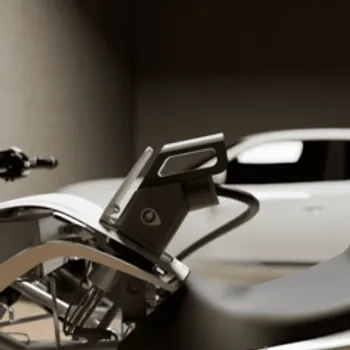
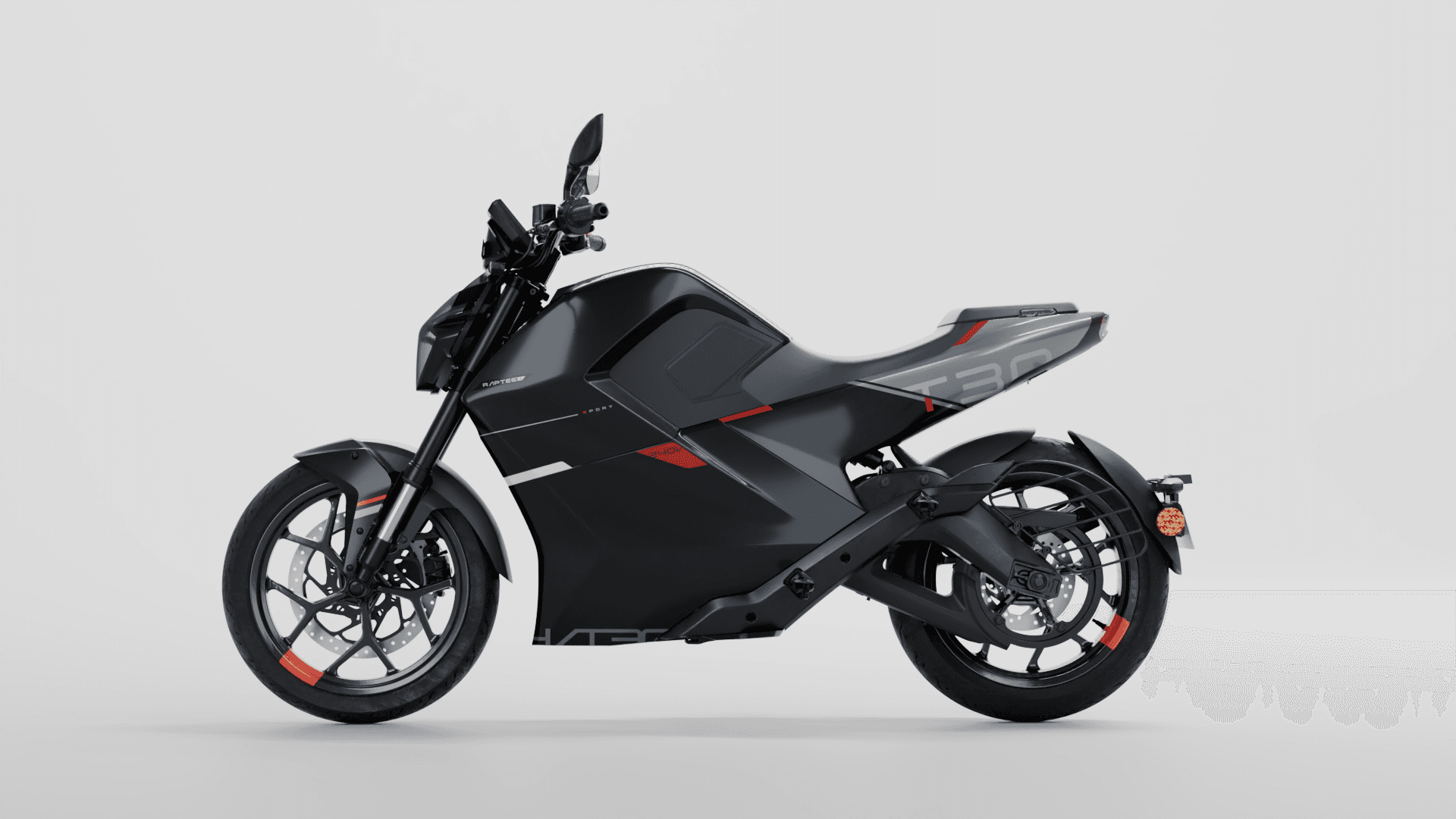
Raptee.HV T30electric bike offers an enhanced user experience by incorporating an onboard charger, which simplifies the charging process for users. This innovation means riders only need to carry a cable when they want to charge their motorcycle at public charging stations.
What is an On-Board Charger (OBC)?
An On-board charger (OBC) is basically an electronic component which converts AC power to DC power to charge the vehicle’s battery. It recognizes the power requirement from battery and regulates the power accordingly from the supply. It is a vital component for electric and hybrid plug in vehicles.
Raptee.HV’s OBC
How OBC helps in AC to DC conversion?
Generally, EV vehicle’s battery only accepts DC power for charging, while the power supply from residential and commercial power sockets is AC. So, OBC helps to make this conversion to charge up the vehicle.
What if we get DC power directly? Yes, it is possible, power generated by battery, rectifier, fuel cells and solar panels are DC. In such case OBC remain inactive. It charges up the battery faster than AC power supply. But the source of DC power supply is very less compared to AC power supply.
How Onboard Chargers (OBCs) Revolutionize EV Charging: The Dual Method Approach
The onboard chargers (OBCs) support two different charging methods.
Constant current
Constant voltage
Constant current method charges the battery real fast, but it could have overheat the battery due to uncontrollable fast charging results in overcharging, which leads to premature battery replacement. While constant voltage charges the battery slowly and have no fear of overheating because it has control in power supply.
However, EV manufacturers adopt both technologies. Constant current charges the battery to a certain percentage and then constant voltage charges the remaining percentage in a controlled way to maximize the battery cycle.
Higher Charger Capacity, Lesser Charging time
OBCs ranges from 3 kW to 22kW, which signifies the charging speed. The greater the capacity lesser the charging time. There are also some advanced chargers in public charging stations which can charge your vehicle real quick 0–80 % in less than 36 min, but it is recommendable to use only in urgent cases.
The regulations laid out by the Bureau of Indian Standards [BIS], Ministry of Power [MoP], and Central Electricity Authority [CEA] are all about keeping you vehicle safe and secure.
The regulations ensure that every part of the electrical charging process is designed for safe charging. This means making sure all connections are strong and well-insulated. The vehicle also requires thermal management to stop the charger from getting too hot, and it includes safety features like fuses and circuit breakers to safeguard the vehicle from power fluctuation. These regulations make sure that charging your vehicle is not only easy but also safe, giving you peace of mind. At Raptee.HV, we ensure our onboard chargers meet national and international safety standards, adhering to guidelines provided by regulatory bodies. These measures are essential to ensure the safe and reliable operation of onboard chargers in electric vehicles, protecting both the vehicle and its users from potential hazards.
Onboard chargers (OBCs) are like power adapters for your electric vehicle (EV). They take regular household electricity and convert it into the right kind of energy your EV battery needs. So, next time you plug in, know that the little OBC is quietly making sure you’re ready for your next drive.